Pimlico gardeners small garden solutions for terraces and courts
Posted on 18/10/2026
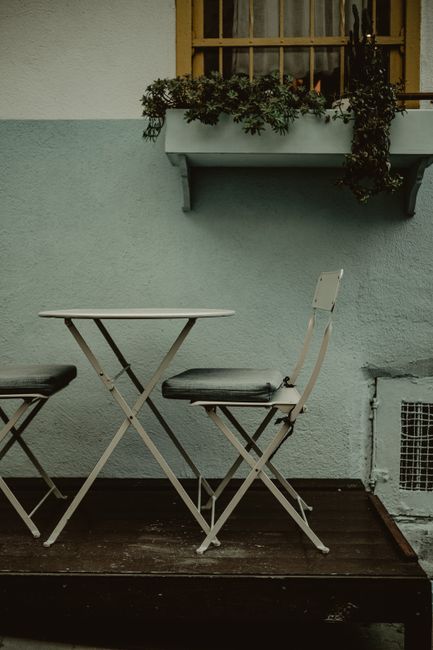
Small outdoor spaces in Pimlico can be some of the most rewarding gardens to work on. A terrace, courtyard, or tucked-away court may only offer a few square metres, but with the right planning it can feel calm, stylish, and surprisingly generous. That is the real value of Pimlico gardeners small garden solutions for terraces and courts: turning a tight space into a place you actually want to use, not just walk past on the way indoors.
In practice, that means making careful choices about layout, planting, surfaces, storage, and maintenance. It also means understanding the quirks of London gardens: shade from neighbouring buildings, wind funnelled between walls, dry corners under eaves, and the occasional "how is there already another weed?" moment. Truth be told, small spaces expose weak design very quickly. But they also respond beautifully to thoughtful work.
This guide breaks down the approach step by step, from the first measurements to the finishing touches. Whether you want a greener morning coffee spot, a more private terrace, or a court garden that feels finished instead of cramped, you will find practical ideas here that are realistic for a Pimlico property and easy to adapt.
- Why small garden solutions matter in Pimlico
- How the approach works
- Benefits and practical advantages
- Who needs this kind of garden solution
- Step-by-step guidance
- Expert tips for better results
- Common mistakes to avoid
- Tools, resources and recommendations
- Law, compliance and best practice
- Options and comparison table
- Case study example
- Practical checklist
- Conclusion
- Frequently asked questions
Why Pimlico gardeners small garden solutions for terraces and courts Matters
Small gardens in Pimlico are rarely blank canvases. More often, they are hard-working outdoor rooms that need to do several jobs at once: provide privacy, look attractive from inside, cope with limited sunlight, and stay manageable through the year. That is why a generic "add some pots and hope for the best" approach usually disappoints. It is too easy to create clutter instead of calm.
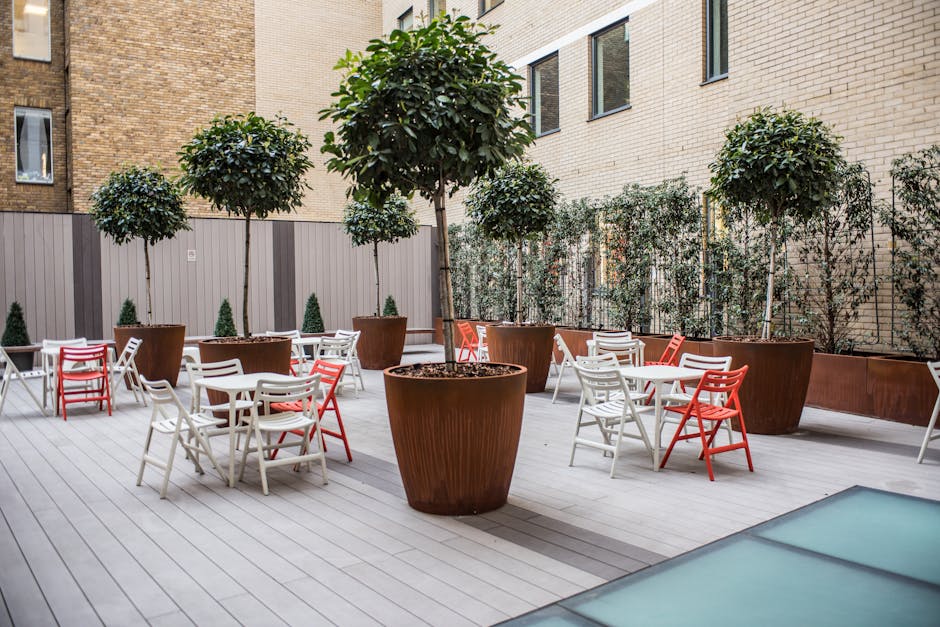
Terraces and courts benefit from design that respects proportion. In a compact setting, one oversized feature can dominate the whole space. On the other hand, too many little features can make everything feel busy and oddly smaller. The sweet spot is balance. A clear layout, a restrained planting palette, and just a few well-chosen focal points often work much better than trying to squeeze in everything at once.
There is also a lifestyle side to this. Many Pimlico residents want gardens that are useful, not high-maintenance. You might want a place for a chair and a pot of herbs, or somewhere to soften a paved court that feels a bit too echoey after rain. If you have ever stepped onto a bare terrace on a damp April morning, you will know the difference a thoughtful scheme makes. It just feels warmer, somehow.
For that reason, small garden solutions are not only about plants. They are about atmosphere, movement, privacy, drainage, and year-round usability. A successful result should make the space easier to live with, not harder.
How Pimlico gardeners small garden solutions for terraces and courts Works
The process usually starts with observation. Good gardeners look at light, wind, access, boundaries, and how the space is already being used. In a terrace or court, these details matter more than in a larger garden because every decision has a visible impact. A narrow shady strip can become a problem area, or a useful feature, depending on how it is handled.
The next step is zoning. That simply means dividing the space into practical areas, even if the areas are small. One corner may be for seating, another for planting, and another for storage or utility access. A court does not need walls or formal room divisions, but it does benefit from a sense of order. You want the eye to travel naturally, not bounce around looking for somewhere to settle.
Plant selection is then matched to the conditions. In London courtyards, that often means containers, shade-tolerant perennials, evergreen structure, drought-ready planting for exposed terraces, and climbing plants where ground space is tight. If privacy is a priority, layered planting can be more elegant than a solid screen. For ideas on this approach, it can help to look at low-maintenance shrubs for screening and privacy and the broader thinking behind privacy hedges that create a secluded feel.
Then comes the practical build. That may include raised planters, new paving, trellis, lighting, edging, or surface cleaning. In many cases, the best small-garden result comes from doing less, but doing it properly. A tidy boundary, good drainage, and a few smart features usually beat a crowded list of "nice to haves."
Key Benefits and Practical Advantages
A well-designed terrace or court gives back in very direct ways. First, it makes the space usable. If a small outdoor area currently feels awkward, muddy, too bright, too exposed, or simply unfinished, the right scheme can change that fast. Not magically. But noticeably.
Second, it reduces maintenance. Small gardens can be deceptively demanding because mess shows quickly. A few weeds, a tired container, or an overgrown climber can make the whole space look neglected. Using durable materials, manageable plant choices, and a simple planting plan keeps upkeep realistic. For more on keeping effort under control, the advice in low-maintenance garden ideas on a budget is a useful companion.
Third, it improves privacy and comfort. In tightly built London streets, sightlines matter. Even a partial screen can make a terrace feel more relaxed. Evergreen climbers, clipped shrubs, and layered containers can soften views without blocking out light entirely. If your space is windy as well as small, it is worth thinking through the planting and structure together; wind management in gardens is especially relevant for exposed upper-level terraces.
Fourth, it adds year-round interest. Courts and terraces can look brilliant in summer and bare by February if the planting is wrong. Good design keeps something happening in every season: structure, bark, evergreen leaves, winter texture, and maybe one or two plants that make a scene quietly cheerful in the darker months.
| Design choice | Best for | What it solves |
|---|---|---|
| Raised planters | Courts with hard paving or poor soil | Creates depth, improves drainage, and makes planting easier to manage |
| Vertical planting | Narrow terraces and boundary walls | Uses height instead of floor space |
| Container groups | Flexible, low-commitment layouts | Lets you change the scheme seasonally |
| Evergreen screening | Overlooked spaces | Maintains privacy all year |
| Simple seating nook | Social terraces | Makes the garden feel like a destination |
Who This Is For and When It Makes Sense
This kind of garden solution makes sense for a lot of people, and not only dedicated plant lovers. It is a good fit if you have a compact terrace, a walled court, a basement lightwell, a roof-adjacent outdoor area, or a small back garden that has become more "storage with plants" than garden. We have all seen those spaces. A bicycle, two pots, and one brave geranium. That is not really a design.
It is especially useful if you want any of the following:
- more privacy from neighbouring windows or upper floors
- a calmer view from the kitchen or sitting room
- better use of a paved or awkwardly shaped court
- low-maintenance planting that still looks polished
- a small entertaining area for coffee or evening drinks
- structure and greenery without losing too much light
It also suits landlords, homeowners, and flat owners who want visible improvement without a huge redesign. A small terrace can be transformed in stages, which is useful if you prefer to spread the work or budget over time. To be fair, that is often the smartest way to do it anyway.
If the site is already well used but looks tired, a refresh may be enough. If it feels awkward or underperforming, a more complete redesign may be needed. Either way, the same principle holds: small spaces need clarity.
Step-by-Step Guidance
Here is a practical way to approach a small Pimlico garden without overcomplicating it.
- Measure and map the space. Note the exact dimensions, doors, steps, drainage points, wall heights, and any fixed obstacles. A rough sketch on paper is usually enough to get started.
- Track light and shade. Watch the space at different times of day. A court that looks sunny at noon may be shaded by 4 p.m. That changes plant choice quite a lot.
- Define the main purpose. Ask what the space must do first: seating, privacy, planting, play, display, or easy maintenance. One dominant purpose keeps the design focused.
- Clear what does not belong. Remove dead pots, clutter, tired furniture, and random extras. A small garden cannot hide mess well. It just cannot.
- Choose a base layer. This might be paving, decking, gravel, or cleaned existing surfaces. For surface-led schemes, some homeowners also look at patio cleaning in Westminster before planting, because a clean base instantly makes the rest of the design feel sharper.
- Add structure first. Use screens, trellis, raised planters, or a compact seating feature before adding lots of plant material. Structure stops the space from feeling accidental.
- Introduce the planting palette. Mix evergreen backbone, seasonal colour, and one or two statement plants. Avoid too many competing colours or leaf shapes at the same time.
- Finish with details. Lighting, pots, a stool or chair, and perhaps a herb bowl or scented plant can make the garden feel lived-in. This is often the part people remember most.
If you want the effect of more height without eating into floor area, vertical growing is a strong option. The ideas in the beauty and benefits of vertical gardening fit small courts and terraces especially well.
One useful rule: work from the outside in. Get the edges right, then the mid-layer, then the decorative details. It is much easier to build a small garden in stages than to fill it all at once and hope the composition sorts itself out. It won't, usually.
Expert Tips for Better Results
Small gardens reward restraint. A few experienced habits can make a big difference:
- Use repetition. Repeating the same pot shape, foliage type, or colour accent creates calm. Randomness can look cheap very quickly in tight spaces.
- Keep the palette narrow. Two or three main colours is often enough. In a court, too many bright tones can make the eye work too hard.
- Think in layers. Low planting at the front, medium structure in the middle, taller elements at the back. That depth makes the area feel more considered.
- Prioritise evergreen structure. In winter, when flowers are sparse, evergreen shrubs and climbers quietly keep the space looking alive. For more ideas, evergreen climbers for shade and screening are a smart starting point.
- Use scent carefully. A little scent goes a long way in a small enclosed area. Herbs and compact flowering plants can be lovely, but don't overdo it.
- Allow for maintenance access. It sounds dull, but if you cannot reach a planter edge or door threshold, the design will annoy you later.
There is also the emotional side of a small garden. A bench tucked into a sheltered corner, a pot with herbs near the door, or a screen that stops eye contact with the building opposite can change how you feel about the space. That matters more than people sometimes admit. A terrace is not just decoration; it is part of daily life.
For gardeners who prefer a lower-effort style, a compact scheme built around robust planting may be best. If privacy is a priority, consider combining screening shrubs with a few carefully placed climbers rather than relying on a single large feature. The result is often softer and more natural.
Common Mistakes to Avoid
Most small-garden problems come from trying to do too much at once. That is the honest version. Here are the mistakes we see most often:
- Overfilling the space. Too many pots, furniture pieces, and ornaments can make a terrace feel even smaller.
- Ignoring light conditions. A plant that looks perfect in a sunny showroom may struggle badly in a shady court.
- Forgetting drainage. Waterlogged corners and heavy containers can become a nuisance fast, especially after wet weather.
- Using the wrong scale. Giant pots in a tiny area or tiny pots in a spacious court both look awkward.
- Choosing plants only for appearance. A plant must also suit wind, shade, maintenance time, and available soil volume.
- Leaving surfaces untouched. Dirty paving can drag down even the best planting. A quick clean often changes the whole mood.
Another subtle issue is maintenance mismatch. People often choose a design that looks great for six weeks and becomes demanding for the next eleven months. That is a bad bargain. Better to choose a slightly simpler scheme you can keep tidy than a spectacular one that turns into a chore by midsummer.
And yes, containers need attention. They dry out, tip over in wind, and become congested faster than people expect. Small space, big expectations. That's the game.
Tools, Resources and Recommendations
You do not need an enormous toolkit to improve a terrace or court, but a few essentials make the work smoother and safer.
- Measuring tape and notebook: for drawing a basic plan and checking clearances
- Secateurs and hand tools: for trimming, deadheading, and light maintenance
- Spade or trowel: for planting and moving compost
- Quality pots and planters: ideally with drainage holes and enough depth for root growth
- Compost and mulch: to improve moisture retention and feed planting
- Simple outdoor lighting: useful for making a small garden feel usable after dark
- Trellis or wall support: especially valuable where ground space is limited
For planning and practical upkeep, some readers also benefit from reading about indispensable gardening tools and turning organic waste into valuable soil. Both ideas connect neatly to small-space gardening, where efficiency matters more than bulk.
If you are building a more complete outdoor scheme, it may also be worth looking at related garden support services such as gardening services in Westminster, garden maintenance Westminster, or landscaping Westminster. Those are especially helpful if the space needs both design and ongoing care.
For timber screens or boundary upgrades, fencing Westminster can be relevant too, particularly where privacy and structure need to work together. And if you are creating a planted edge beneath existing trees, tree surgery Westminster may help reduce shade or improve light access, subject to proper assessment.
Law, Compliance, Standards, or Best Practice
For most terrace and court projects, the main compliance concerns are practical rather than dramatic. You are usually dealing with safe access, boundary ownership, drainage, load-bearing limits, and good workmanship. Still, a careful approach matters.
In a flat or managed property, check whether the terrace, roof garden, or courtyard is subject to leasehold restrictions or building-management rules before making structural changes. That can include fixed planters, screens, drilling into walls, or adding heavy features. If there is any doubt, it is sensible to confirm permission before work begins. Not glamorous, but better than an awkward conversation later.
For upper-level terraces or raised areas, weight distribution matters. Large planters filled with wet compost and mature shrubs can become heavier than people expect. A proper assessment is wise where surfaces, balustrades, or membranes could be affected. It is also sensible to think about wind exposure, especially on higher floors.
Good practice also includes non-slip surfaces where needed, tidy cable management for lighting, and secure fixings for trellis or screening. If you are commissioning work, ask how the team approaches safety, access, and insurance. You will usually want reassurance that the job is being carried out responsibly. For further trust signals, it is reasonable to review insurance and safety information and the company's health and safety policy.
For materials, weather tolerance matters in the UK climate. London may be milder than some places, but terraces still face frost, summer dryness, wind, and heavy rain in rotation. Choosing robust materials now saves a lot of nuisance later.
Options, Methods, or Comparison Table
There is no single correct way to approach a small terrace or court. The best method depends on how you want to use the space.
| Method | Strengths | Trade-offs | Best for |
|---|---|---|---|
| Container-led design | Flexible, relatively quick, easy to refresh | Needs watering and tidying | Renters, seasonal updates, compact terraces |
| Built-in planter scheme | Looks polished and permanent | Usually higher upfront effort | Courtyards and long-term homeowners |
| Vertical screening design | Saves floor space, improves privacy | Can need regular trimming and support | Overlooked spaces and narrow plots |
| Minimalist seating court | Easy to maintain, uncluttered | May need careful styling to avoid looking bare | Busy homeowners who want low effort |
| Soft planted retreat | Relaxed, natural, atmosphere-rich | Requires more plant judgement | People who want a calmer, greener feel |
For many Pimlico homes, a hybrid approach works best. That might mean a hardwearing base, containers for flexibility, a slim screen for privacy, and one or two climbing plants to add softness. Simple, but not plain.
Case Study or Real-World Example
Consider a typical first-floor Pimlico terrace that felt narrow, overlooked, and rather stark. The owners used the space only occasionally because it got windy and looked unfinished from the living room. The job was not to turn it into a rural cottage garden. That would have been nonsense. Instead, the goal was to make it feel calm, private, and easy to use on an ordinary weekday evening.
The solution was fairly restrained. The existing paving was cleaned, then the layout was divided into a slim seating zone near the door and a planting run along the boundary. Tall, narrow containers gave height without blocking movement. A trellis section added privacy while leaving enough light. The planting focused on evergreen structure with a few softer seasonal accents, and the colour palette stayed deliberately simple. No fireworks. Just good decisions.
The result was a terrace that looked larger because it was clearer. The door opening felt less abrupt, the view from inside was much softer, and the space could be used for a small table and two chairs without feeling crowded. That kind of improvement is subtle in one sense, but huge in daily life. You stop avoiding the garden and start using it. That is usually the real win.
For an example like this, the finishing touches matter a lot. A compact herb pot, a weatherproof cushion box, and a little evening lighting can make the difference between "nice job" and "I actually sit out here now." Which, honestly, is the point.
Practical Checklist
Use this quick checklist before starting or refreshing a small Pimlico terrace or court:
- Measure the space and note fixed features
- Check light, shade, and wind exposure
- Decide the main use: seating, privacy, planting, or all three
- Remove clutter, dead plants, and unused pots
- Choose one base material or surface approach
- Plan height with trellis, screens, or vertical planting
- Keep the plant palette limited and suited to the conditions
- Allow access for watering and pruning
- Think about drainage and container weight
- Add one simple focal point, not five competing ones
- Make a maintenance plan that fits your routine
- Review access, permissions, and safety before structural changes
If you can tick most of those off, you are in good shape. If not, no panic. Small spaces are forgiving when the basics are handled properly.
Get a free quote today and see how much you can save.
Conclusion
Pimlico terraces and courts may be small, but they are full of potential when they are designed with care. The best results come from honest planning, smart plant choices, and a clear understanding of how the space is actually used day to day. Not just how it looks in spring, but how it feels on a wet Tuesday, or after the first chill of autumn.
If you focus on structure, restraint, and practical comfort, a tight outdoor area can become one of the nicest parts of the property. A place to breathe. A place to sit with a cup of tea. A place that feels like yours. And that, in a busy part of London, is no small thing.

Jhennifer, possessing expertise as an expert gardener, is a proficient writer who has assisted thousands of customers in meeting their gardening requirements. Her focus extends to various topics related to gardening and landscaping.