Westminster gardeners same day hedge and lawn rescue
Posted on 10/10/2026
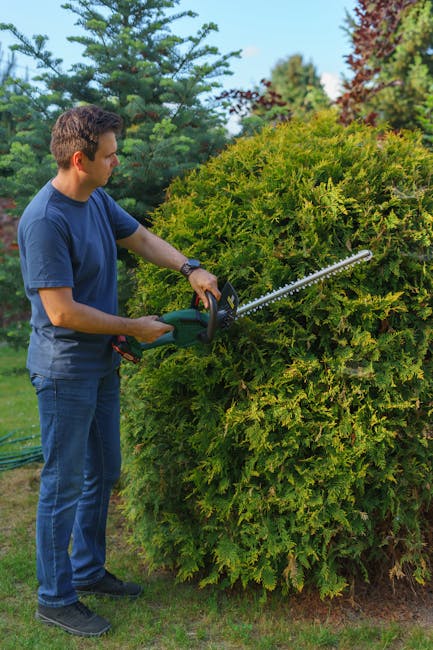
If your hedge has gone wild after a wet spell, the lawn looks patchy and tired, or the front garden needs rescuing before guests arrive, you are not alone. Westminster gardeners same day hedge and lawn rescue is exactly the kind of fast, practical support that turns a stressful outdoor mess into something presentable again, often within hours. In a busy part of London, where kerb appeal, neighbour relations, and day-to-day convenience all matter, a quick intervention can make a surprisingly big difference.
This guide explains what same-day hedge and lawn rescue involves, when it makes sense, what to expect, and how to get the best result without wasting time or money. You will also find a clear checklist, a comparison table, and a few realistic examples from the kind of garden problems people face here every week. Let's face it, gardens don't wait for your diary to clear.
Why Westminster gardeners same day hedge and lawn rescue Matters
A neglected hedge or a damaged lawn is more than a cosmetic issue. In Westminster, outdoor space is often compact, visible, and used hard. A hedge that blocks paths or presses into fences can make a garden feel cramped. A lawn that has been scalped, waterlogged, or smothered by weeds can drag down the whole space, even if the rest of the garden is well kept.
Same-day rescue work matters because garden problems tend to compound. A hedge left a few more weeks can become woody and difficult to shape. A lawn ignored after heavy use can develop bare patches, moss, and compaction. Acting quickly means you are usually fixing a surface-level problem before it turns into a bigger maintenance job.
There is also a practical side. If you are renting, selling, hosting, or simply trying to keep on top of seasonal growth, you may need a fast turnaround rather than a long redesign. In those situations, a focused visit is often better than waiting for a more elaborate project. If the aim is to stabilise things, tidy them up, and make the garden usable again, speed helps.
For readers who want a longer-term approach after the rescue work, it can be worth looking at related guidance such as hedge trimming in Westminster, garden maintenance support, and lawn care in Westminster. Those pages can help you think beyond the urgent fix and plan what happens next.
How Westminster gardeners same day hedge and lawn rescue Works
Same-day rescue is usually a focused service, not a full overhaul. Think of it as triage for the garden. The gardener assesses what is most urgent, clears what is causing the biggest visual or practical problem, and restores a tidy, safe baseline.
In most cases, the process starts with a quick conversation about the issue. Is the hedge blocking light or access? Is the lawn simply overgrown, or has it suffered from drought, shade, pets, or compaction? Are there restrictions on access, disposal, or noise? Those details matter because a good first visit is about using time well.
A typical same-day rescue may include:
- hedge reduction, shaping, or selective trimming
- grass cutting, edge tidying, and strimming
- removing clippings, light debris, and obvious weeds
- spot-checking for damaged branches or unsafe growth
- basic clean-up so the garden looks finished rather than interrupted
Sometimes the job is straightforward. Other times, the gardener may recommend a second stage, especially if the hedge is overgrown enough to need gradual reduction or if the lawn needs feeding, scarifying, or patch repair. That is not a delay; it is the sensible way to avoid damaging the plants.
If you are planning a more polished outcome later, a broader service like general gardening services in Westminster or lawn mowing in Westminster can be a useful next step once the immediate rescue is done.
Key Benefits and Practical Advantages
The obvious benefit is speed. When a hedge is spilling over a path or the grass looks scruffy just before an event, same-day help removes the pressure. But there are a few less obvious advantages too.
1. Better first impression. A neat hedge line and a mown lawn instantly make the whole property look cared for. It is a small thing, but people notice it.
2. Improved usability. Paths, seating areas, side returns, and narrow access routes become easier to use once growth is cut back. You feel the difference straight away.
3. Reduced risk of further damage. Overlong grass, dense hedge growth, and hidden debris can all cause problems if left alone. A quick rescue limits the knock-on effects.
4. Less overwhelm for the homeowner. Truth be told, a messy hedge and a rough lawn can feel oddly draining to deal with. Getting professional help can clear the backlog fast and reset the space.
5. A better base for future maintenance. Once the worst is removed, ongoing upkeep becomes much easier. That is often where the real value sits.
Expert summary: same-day hedge and lawn rescue is most effective when the aim is to restore order quickly, protect plant health, and create a clean starting point for routine maintenance afterwards.
If your garden also needs a broader refresh, you might explore ideas on revamping your garden or practical space-improvement thinking in creative seating for gardens. Those articles are useful when the urgent fix leads to bigger plans.
Who This Is For and When It Makes Sense
This service suits a surprisingly wide range of people. You do not need to be dealing with a disaster. Sometimes the job is just awkward timing and fast-moving growth.
It makes particular sense if you are:
- preparing for visitors, an event, or a property viewing
- trying to keep a rental property presentable
- recovering from a period away, illness, or a busy work stretch
- managing an overgrown hedge before it starts causing access issues
- dealing with a lawn that has become untidy after rain, shade, or heavy use
- trying to improve kerb appeal quickly for a front garden
It is also helpful if you are not sure what the garden needs. A knowledgeable gardener can tell you whether the hedge just needs a tidy trim or whether it would be better to reduce it in stages. Same with lawns: sometimes a mow is enough, but sometimes there are deeper problems like poor drainage, bare patches, or moss pressure.
One local pattern worth mentioning is the mix of small gardens, boundary hedges, and hard landscaping common in Westminster. A hedge that grows too far can make a narrow space feel boxed in. A lawn with poor light can thin out fast. In those settings, a same-day rescue can make the garden feel usable again without overcomplicating the job.
Step-by-Step Guidance
If you want the best outcome from a same-day visit, a little preparation goes a long way. You do not need to do much, but the right few steps help the gardener move fast and avoid unnecessary delays.
- Describe the problem clearly. Say what is bothering you most: height, shape, access, mess, weeds, or patchiness. A quick photo helps, too.
- Flag access issues early. Gates, side passages, locked areas, shared entrances, parking restrictions, and bin locations all matter. A tiny delay can eat time on the day.
- Prioritise the visible areas. If there is only time for the front hedge and main lawn, say so. Be honest about what matters most.
- Remove obstacles if you can. Move toys, tools, chairs, plant pots, and cables. It sounds obvious, but it saves minutes.
- Ask about disposal. Cuttings and clippings can take time to remove properly. Confirm whether clearance is included or separate.
- Walk through the result before the team leaves. Check edges, hedge lines, and any awkward corners. A quick look now avoids niggles later.
For a bigger understanding of what garden professionals use on site, see this guide to indispensable tools. It is not about buying everything yourself, obviously, but it helps you understand how the work gets done.
If your lawn is the main issue, it is worth learning the difference between simple mowing and more involved lawn repair. A rescue visit is usually about mowing, edging, and clearing. Lawn recovery, by contrast, may need feeding, reseeding, aeration, or weed control over time.
Expert Tips for Better Results
There are a few small things that can dramatically improve the final result. None of them are complicated, which is rather nice.
Give the hedge a purpose before trimming starts. Do you want privacy, symmetry, light, or access? The answer affects how much is cut and where the shape settles.
Do not chase perfection on a rescue job. A very overgrown hedge may need a first pass that simply brings it back to a manageable line. Over-cutting in one go can leave it stressed or bare. Slow and steady wins here.
Pay attention to the lawn edges. A clean edge between lawn, path, and bed makes the whole space look sharper than a few extra passes over the grass itself. It is one of those small visual tricks people notice without quite knowing why.
Choose timing carefully where possible. Dry conditions are better for mowing and hedge cutting than a soggy afternoon. The grass cuts cleaner, and the job tends to finish tidier. That said, same-day rescue is often about working with the weather you have, not the weather you wish you had.
Ask for a quick follow-up plan. Even a simple note like "mow fortnightly, trim hedge next month" can keep the garden from slipping back.
For garden resilience more generally, the article on creating climate resilience with thoughtful gardening offers useful context, especially if your lawn struggles after heat, shade, or sudden weather changes.
A small aside: there is always one hedge branch that seems to have a personal grudge against the gardener. Happens every time.
Common Mistakes to Avoid
Urgent jobs can go wrong in predictable ways. Most of them are avoidable if you keep the goal simple and realistic.
- Booking only on price. Cheap can be fine, but if the job needs proper disposal, careful shaping, or attention to safety, the cheapest option is not always the smartest.
- Expecting a rescue to equal a full redesign. Same-day work is about restoring order, not reimagining the whole garden.
- Cutting hedges too hard. A heavy-handed trim can expose brown wood, spoil privacy, or weaken the plant. It may look tidy for a week and then disappoint for months.
- Ignoring the lawn's underlying condition. A mown lawn can still be unhealthy. If it is patchy or compacted, it will probably need more than a quick cut.
- Not mentioning pets, children, or access needs. These details shape how work is carried out safely and efficiently.
- Leaving debris behind. Clippings left on a lawn can smother grass and create a messy finish. That sounds basic, but it does happen.
If weeds are part of the problem, take a look at simple weed control tips. Weed pressure is one of the main reasons a quick tidy-up stops looking neat again so quickly.
And if your hedge is also serving privacy or shelter functions, a careful trim matters even more. For ideas on how to maintain screening without overdoing it, the guide to privacy hedges for a secluded garden escape is a useful companion read.
Tools, Resources and Recommendations
You do not need a garage full of equipment to understand a good rescue job, but a few tools are central to the work.
- Hedge trimmer or hand shears: used depending on hedge size, shape, and finish required
- Lawnmower or strimmer: for overgrown grass and edge work
- Rake and debris bags: for clearing cuttings and loose material
- Gloves and eye protection: basic but essential for safe handling
- Secateurs or loppers: for awkward shoots, woody bits, or small corrective cuts
From a homeowner's point of view, the most useful resource is usually not a tool, but a clear brief. A few photos, a short list of priorities, and a basic explanation of what "good enough today" looks like will save time.
For broader garden support, these pages can help you plan the next phase after the urgent rescue:
- ongoing garden maintenance in Westminster
- regular lawn mowing support
- patio cleaning for a sharper outdoor finish
- landscaping help for longer-term improvements
If you prefer a lighter-maintenance planting style after the rescue, the article on low-maintenance garden design on a budget is genuinely helpful, especially for smaller London plots.
Law, Compliance, Standards, or Best Practice
This kind of work is usually straightforward, but good practice still matters. In a city setting, hedge and lawn work often involves noise, access, waste handling, and care around neighbouring properties. It is sensible to work considerately and safely.
Good practice typically includes:
- checking for access routes before starting
- protecting surfaces, fences, and nearby planting where needed
- using the right equipment for the task rather than forcing a one-size-fits-all method
- disposing of green waste responsibly, or agreeing in advance who handles it
- keeping a safe distance from hidden obstacles, cables, and uneven ground
If a hedge borders a pavement, driveway, or shared access area, the trim should not create a hazard or block movement. If there are trees involved rather than hedges, the job may move into a different area of expertise. In that case, a service such as tree surgery in Westminster may be more appropriate than a simple cut-back.
There are also business basics worth checking. Reputable providers should be clear about payment, safety, terms, and complaints handling. That does not sound exciting, I know, but it builds trust. Useful reference pages include insurance and safety, health and safety policy, payment and security, terms and conditions, privacy policy, complaints procedure, cookie policy, and accessibility statement. These pages help you assess a service with a more informed eye.
Options, Methods, or Comparison Table
Not every garden issue needs the same response. Here is a simple comparison to help you choose the right level of intervention.
| Option | Best for | What it usually includes | Main limitation |
|---|---|---|---|
| Same-day hedge and lawn rescue | Urgent tidying, event prep, quick recovery | Hedge trim, mowing, edging, debris clearance | Usually not a full renovation |
| Routine garden maintenance | Keeping the garden under control over time | Regular visits, trimming, mowing, weeding, light upkeep | Slower for immediate problems |
| Lawn care treatment | Poor grass health, patchiness, moss, compaction | Feeding, aeration, overseeding, treatment plan | Not the same as a quick mow |
| Full landscaping | Structural changes and bigger garden improvements | Design changes, hard landscaping, planting, layout work | Takes longer and costs more |
In plain English: if you need the garden to look respectable today, rescue is the answer. If the underlying condition is poor, that is where longer-term care comes in. The smartest customers often use both. First the rescue, then the plan.
If your outdoor area is shaded, windy, or lacking structure, it may also be worth reading about managing windy gardens and evergreen climbers for shade. Those topics often connect to hedge health and lawn performance more than people expect.
Case Study or Real-World Example
Here is a realistic example based on the kind of situation that comes up again and again in Westminster. A homeowner had a front hedge that had pushed well past waist height after several weeks of mixed weather, and the lawn had become shaggy, with messy edges and a few bare spots near the path. They were expecting visitors that evening. Not ideal.
The priority was simple: make the entrance look cared for, improve the path line, and stop the garden from feeling closed in. The hedge was reduced carefully rather than hacked back, because it still needed to provide some privacy from the street. The lawn was cut, edged, and cleared so the surface looked clean again. A few obvious weeds were removed, and the cuttings were taken away.
The result was not a full transformation, and that was fine. The garden went from overwhelming to manageable in one visit. A week later, the owner was able to see what still needed attention: some patch repair in the lawn, a deeper weed-control pass, and a better maintenance rhythm. That is actually how good rescue work should feel. It gives you breathing room.
If the space then needs more personality or function, you can build from there. Some people move toward privacy planting, others toward seating, or even kid-friendly layouts. For ideas, try safe and exciting gardens for children or vertical gardening ideas. Small changes, honestly, can make a garden feel much bigger.
Practical Checklist
Use this quick checklist before a same-day visit, or while deciding whether you need one.
- Have I identified the main problem: hedge, lawn, or both?
- Do I need the garden to look better today, not next week?
- Have I cleared access routes, gates, and obstacles?
- Have I told the gardener about pets, children, or shared spaces?
- Do I want a quick tidy-up or a more careful shape and finish?
- Am I expecting clippings to be removed?
- Have I shown photos or described the worst areas clearly?
- Do I understand that overgrown hedges may need staged work?
- Do I want a follow-up maintenance plan after the rescue?
- Have I checked the company information, safety, and policy pages?
A small bit of preparation often makes the difference between a decent result and a really satisfying one. And satisfaction matters here. You should be able to look out the window and feel relief, not another job on the mental list.
Conclusion
Westminster gardeners same day hedge and lawn rescue is about more than speed. It is about restoring order, protecting plant health where possible, and giving you back a garden that feels usable again. For many people, that is the difference between a space that weighs on them and one that quietly helps the day go better.
The best outcomes come from clear priorities, realistic expectations, and a professional approach that respects both the garden and the surrounding property. Whether you need a quick front-garden tidy, a hedge brought back under control, or a lawn made presentable before a deadline, a same-day rescue can be a very sensible move. Sometimes, that is all a garden needs to start behaving itself again.
Get a free quote today and see how much you can save.
If you are ready to turn a rough-looking garden back into something calm and tidy, start with the urgent fix, then build a simple routine around it. That is the quiet win, really.

Jhennifer, possessing expertise as an expert gardener, is a proficient writer who has assisted thousands of customers in meeting their gardening requirements. Her focus extends to various topics related to gardening and landscaping.