What to know about Westminster tree work permits and gardeners
Posted on 19/11/2026
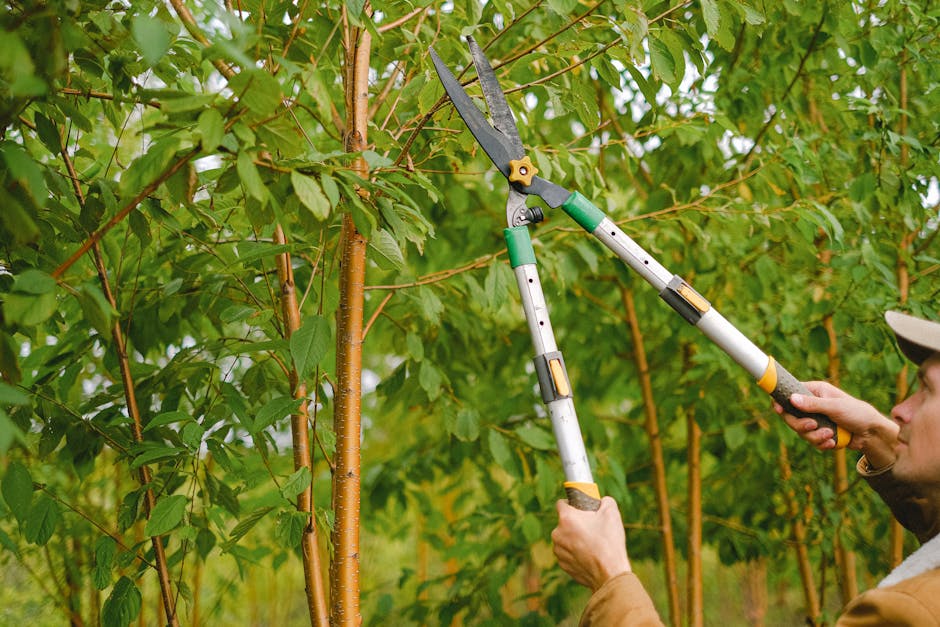
If you are planning tree work in Westminster, the details can feel oddly tangled at first. One neighbour says it is "just a trim", another warns about permits, and the tree itself seems perfectly happy to ignore the whole discussion. That is exactly why What to know about Westminster tree work permits and gardeners matters: the right approach saves time, avoids accidental rule breaches, and helps you choose a gardener or tree specialist who actually knows what they are doing.
In Westminster, tree work is not only about cuttings, saws, and green waste. It can involve permissions, preservation rules, safety checks, access issues, and the simple question of whether a gardener is the right person for the job or whether you need a qualified tree surgeon. This guide breaks it all down in plain English so you can make a sensible decision without getting lost in jargon.
We will cover when permits may be needed, how gardeners fit into the process, what good practice looks like, and where people most often get caught out. A little clarity goes a long way here.
Why What to know about Westminster tree work permits and gardeners Matters
Tree work in Westminster tends to touch more than one concern at once. You may be trying to reduce shade, improve the garden's shape, remove deadwood, or stop branches brushing a roof or boundary fence. Yet the moment a tree is protected, within a conservation area, or shared with neighbouring property, the job shifts from simple maintenance into something more sensitive.
That is the core reason permits and professional input matter. A rushed prune can create long-term damage. Worse, it can lead to avoidable disputes if the tree was protected or if work was carried out without the right checks. In a built-up part of London, those details matter because space is tight, access can be awkward, and trees often sit close to walls, cables, paths, and shared boundaries.
There is also a trust issue. People often assume a gardener can handle every tree-related task. Sometimes that is true for light, routine maintenance. But not every job is a gardening job. A skilled gardener understands plants, timing, and overall garden care; a tree surgeon understands structure, decay, weight, climbing safety, and proper pruning cuts. The best result usually comes from matching the task to the right person.
If your garden design depends on screening, shelter, or privacy planting, the subject gets even more interesting. Tree work can change how much light your borders receive and whether nearby shrubs thrive. That links neatly with planning choices like low-maintenance shrubs for screening and privacy and broader planting decisions such as privacy hedges for a secluded garden escape.
In short: tree work is not just cutting. It is part horticulture, part safety, part local compliance. A bit like home maintenance with a clipboard. Not glamorous, but very necessary.
How Westminster tree work permits and gardeners work
The process usually starts with identifying what kind of tree work is needed. Is it light crown reduction, removal of dead branches, hedge trimming, stump work, or the removal of a tree altogether? The answer shapes the next steps, because the level of permission or technical input will vary.
In many everyday cases, a gardener may carry out routine tasks such as hedge trimming, formative pruning of smaller trees, clearing lower growth, and keeping the garden tidy around established trees. For more technical work, such as major pruning, dismantling, large limb removal, or work near awkward structures, a tree surgeon is usually the safer choice. A good local team will not pretend every job is the same. That is a decent sign straight away.
Where permission comes in, the key issue is whether the tree is protected or whether the site sits in an area with special planning controls. You do not need to memorise planning law to understand the principle: if a tree is protected or the work could materially alter it, check first before cutting. Gardeners who work in Westminster regularly should recognise the red flags quickly and advise when extra checks are sensible.
There is also the practical side. Westminster gardens often have limited access, narrow side passages, shared rear entries, basement steps, or overhead constraints. A gardener may be perfect for routine maintenance, but tree work with awkward access often needs more than a ladder and optimism. To be fair, optimism is lovely in the garden, but it does not replace climbing safety.
Good contractors will usually inspect the tree, explain what can be done, identify whether permission may be needed, and set out the safest method. If the tree work affects surrounding features, they may also advise on replanting, recovery, or follow-up care. That follow-through is where experience shows.
Key benefits and practical advantages
When tree work is handled properly, the benefits go beyond neatness. The whole garden tends to feel better balanced. Light reaches planting beds more evenly, the lawn recovers, and borders stop feeling crushed by heavy shade. A tidier canopy can also make the garden feel surprisingly larger.
- Better safety: weakened limbs, deadwood, and unstable growth are dealt with before they become a hazard.
- Cleaner appearance: well-managed trees lift the look of the whole plot, not just the tree itself.
- Healthier growth: correct pruning supports structure instead of stressing the tree.
- More usable space: paths, seating areas, and play zones feel less cramped.
- Fewer disputes: checking permissions early reduces neighbour issues and awkward surprises.
Another practical advantage is scheduling. If you are already planning broader garden maintenance, tree work can be coordinated with lawn care, hedge trimming, or landscaping changes. That often saves mess and disruption. For example, a tidy-up may pair naturally with ongoing garden maintenance in Westminster, while a larger project may link into Westminster landscaping work.
You also gain better predictability. Once a tree issue is identified early, the garden can be planned around it instead of being redesigned after the fact. That is especially useful if you want to introduce new planting, seating, or screening. A shady corner, for instance, may need different plant choices than a sunnier border. If that sounds familiar, vertical gardening and evergreen climbers for shade can help reshape awkward areas without fighting the tree canopy.
Who this is for and when it makes sense
This topic matters if you are a homeowner, landlord, property manager, or tenant with responsibility for outside areas. It is also relevant if you are a gardener yourself and want to stay on the right side of local expectations while offering sensible advice to clients.
It makes sense to slow down and check things carefully if any of the following apply:
- The tree is mature, prominent, or close to a building.
- You suspect the tree may be protected or subject to planning controls.
- There are visible signs of decay, cracking, or dieback.
- Branches are interfering with fences, roofs, drains, or cables.
- You want to remove a tree rather than simply prune it.
- The garden sits in a conservation-sensitive street or courtyard.
It also matters if the tree work affects planting design. If you are relying on a tree for privacy, wind buffering, or shade, even modest pruning can change the garden's feel. That is where a gardener's wider planting knowledge becomes valuable. Someone who understands border structure, shrubs, and seasonal change can suggest replacement planting or reshaping rather than just cutting and leaving you with a bare patch.
For families, the issue can be safety-led. Overhanging limbs near play areas, unstable branches over patios, or low growth around a path need prompt attention. The same applies to pet-friendly layouts where visibility and safe movement are important. Related planning ideas are explored in safe garden design for children and pet-safe garden and play area planning.
Step-by-step guidance
If you are deciding what to do next, this simple sequence usually works best.
- Identify the job properly. Is it a light prune, a hedge cut, deadwood removal, crown work, or tree removal? The wrong label can lead to the wrong contractor.
- Check whether protection may apply. Look for clues such as a mature street tree, recent planning paperwork, or a conservation-sensitive location. If you are unsure, treat it as potentially protected until confirmed otherwise.
- Assess the risk. Ask yourself whether the work is ground-level maintenance or something that involves height, heavy limbs, or awkward access. If it feels beyond routine gardening, it probably is.
- Choose the right professional. A gardener may handle light maintenance; a tree surgeon is more suitable for structural work and higher-risk tasks.
- Get a clear description of the method. A serious contractor should explain what will be cut, how it will be done, and what will happen to waste and brash.
- Plan garden follow-up. If tree work changes light, shelter, or layout, decide whether you need replanting, soil improvement, or border adjustments afterwards.
- Keep records. Save notes, messages, and permission details. It sounds dull. It is dull. But if questions arise later, those details help.
One small but useful habit: take a few photos before the work starts. Morning light, a couple of angles, and close-ups of problem areas are enough. That makes it easier to compare before and after and helps if you need to explain the scope later. Nothing fancy, just practical.
Expert tips for better results
There are a few habits that separate a tidy, low-stress tree job from a messy one.
First, think seasonally. Tree work often looks simple in January and more complicated by May when nesting, leaf growth, and garden usage all increase. Timing matters, especially if you want the garden to recover quickly afterwards. In wet weather, too, cuts and access can become far messier than expected. If you are already preparing for weather-related issues, protective measures for gardens in severe weather is a useful companion read.
Second, protect the surrounding garden. Skilled teams use sensible ground protection, manage arisings, and avoid damaging borders. If your garden already has a carefully managed composting area, ask how cuttings will be handled. You may even turn some green waste into useful material later, as discussed in transforming organic waste into valuable soil.
Third, do not ignore shape aftercare. A tree that has been pruned aggressively can look a bit stark for a while, and that may be unsettling. But the longer-term question is whether the structure is sound and whether the rest of the garden still works around it. Sometimes the answer is yes; sometimes it is time to rethink the planting layout. That is where experienced gardeners earn their keep.
Fourth, use the work as a design opportunity. Once overgrowth is reduced, you may finally have room for a bench, a narrow planter, or improved access. It is amazing how one overgrown branch can eat a whole corner. Sort that out and suddenly the space breathes again.
Fifth, choose contractors who communicate clearly. If someone is vague about permissions, safety, or method, that is a small warning light. Not a siren, just a light. The best local gardeners and tree teams speak plainly, explain the trade-offs, and do not overpromise.
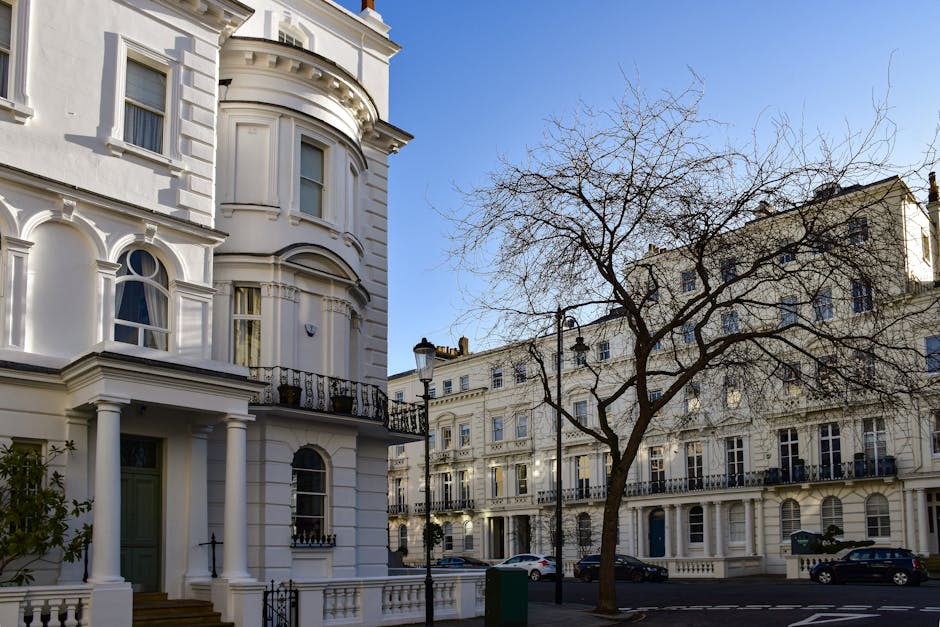
Common mistakes to avoid
The same errors come up again and again, and most are avoidable if you pause long enough to ask a few questions.
- Assuming every tree job needs the same approach. A small ornamental tree and a mature lime are not remotely the same thing.
- Skipping permission checks. If a tree may be protected, do not cut first and ask later.
- Choosing a gardener for technical removal work. A general gardener can be excellent, but not every gardener is equipped for complex tree operations.
- Over-pruning in one go. Heavy cutting can weaken the tree and leave the garden looking harsh.
- Ignoring the effect on the rest of the garden. Light levels, privacy, wind exposure, and border health can all change.
- Not planning waste removal. Stacks of branches are nobody's idea of a peaceful weekend.
One slightly unglamorous mistake deserves its own mention: not checking access before the team arrives. Narrow gates, locked side returns, basement obstructions, parked vehicles, and bin storage can all slow a job down. A quick walk-through beforehand saves hassle. Honestly, it is the kind of thing that feels obvious only after the crew is already there.
Another common oversight is forgetting the neighbouring garden. Branches, debris, and falling material can cross boundaries. If a tree overhangs adjacent land, the job may need extra diplomacy as well as careful technique. Good communication helps.
Tools, resources and recommendations
You do not need a truck full of gear to understand tree work, but a few things make the process smoother.
- A measuring tape or simple estimate of height and spread to describe the tree accurately.
- Phone photos of the crown, trunk, base, and nearby structures.
- Notes on symptoms such as dieback, fungus, split limbs, or leaning growth.
- Access details like gate width, steps, or locked entries.
- A written brief for what you want done, ideally with priorities listed.
For wider garden planning, useful supporting topics include essential gardening tools, hedge trimming skills, and low-maintenance garden design on a budget. They help you think beyond the single tree and see the whole space.
If the tree work is part of a broader upgrade, you may also want to coordinate with patio cleaning, lawn care, or fencing improvements. That avoids repeated disruption, which is always a win.
Law, compliance, standards, or best practice
Tree work in Westminster can involve local planning controls, tree preservation measures, conservation rules, neighbour considerations, and basic duty-of-care expectations. The exact requirement depends on the tree, location, and scope of work, so it is wise to check before any major intervention.
From a best-practice point of view, the safest approach is simple:
- Do not assume a tree can be removed or heavily pruned without checking.
- Keep work proportionate to the problem.
- Use suitably trained people for higher-risk tasks.
- Make sure the method protects both the tree and surrounding property.
- Keep a clear record of what was agreed and why.
For gardeners, compliance also includes safety and insurance awareness. If a contractor is working at height, handling machinery, or operating near structures, they should have proper procedures in place. A professional business will also be comfortable discussing its approach to safety, which is why pages such as insurance and safety and health and safety policy are worth reviewing before work begins.
Best practice is not about being overly cautious for the sake of it. It is about avoiding the expensive kind of surprise. You know the one - a job that seemed straightforward on Monday and becomes a paperwork headache by Friday.
Options, methods, or comparison table
Here is a straightforward comparison of the most common ways tree-related garden work is handled. It should help you decide who to call first.
| Option | Best for | Strengths | Limitations |
|---|---|---|---|
| General gardener | Light pruning, hedge work, basic tidy-up around smaller trees | Efficient, practical, good for regular garden care | Not ideal for complex or high-risk tree removal |
| Tree surgeon | Structural pruning, large trees, technical removals, risky access | Specialist knowledge, safer methods, better handling of difficult trees | Usually more specialised than a routine gardener |
| Combined garden service | Projects involving trees, borders, lawn, fencing, or redesign | Helpful for joined-up planning and one-site coordination | Needs clear role division so nothing gets muddled |
In practice, the best option is often a mix. A gardener may handle the broader garden upkeep while a tree specialist deals with the technically difficult parts. That division keeps things sensible. It also avoids the awkward "well, I thought you were doing that bit" conversation. Nobody enjoys that one.
Case study or real-world example
Here is a realistic example from the kind of situation people face all the time. A homeowner in Westminster has a mature tree at the back of the garden. It casts heavy shade over a seating area, drops debris onto a path, and is beginning to rub against a nearby structure. The owner initially wants it cut back hard so the space feels brighter.
After a proper inspection, the contractor recommends a lighter approach: selective pruning, removal of deadwood, and a small reshaping rather than drastic reduction. Why? Because the tree is healthy enough to keep, and the goal is to improve the garden without damaging the tree's structure. The team also checks whether any permissions or local controls may apply before starting.
Once the work is completed, the garden feels more open. The seating area is usable again, the path is cleaner, and a patch of border that had been struggling suddenly gets morning light. The homeowner then adds a few shade-tolerant plants and a compact bench. Simple change, big difference.
That is the real lesson here. The best tree work is often the work that improves the space while preserving the tree where possible. It is a balanced result, not an all-or-nothing one.
Practical checklist
Use this checklist before approving tree work in Westminster:
- Have you identified the exact tree and the exact task?
- Could the tree be protected or subject to local planning controls?
- Do you know whether the work is routine maintenance or specialist tree surgery?
- Have you checked access, nearby structures, and boundary issues?
- Have you explained what outcome you want: light, shape, safety, privacy, or clearance?
- Has the contractor described how the work will be carried out?
- Do you know what happens to branches, logs, and waste?
- Will the garden need follow-up planting or recovery care?
- Have you kept photos and notes for your own records?
- Have you checked safety, insurance, and terms before work starts?
Tick those off and you are already ahead of the game. Seriously, quite a lot ahead.
Conclusion
Understanding Westminster tree work permits and gardeners is really about making the right decision at the right time. Check whether permission may be needed, match the job to the right professional, and think beyond the cut itself. The garden, after all, is a living system. Change one part and the rest responds.
For smaller jobs, a knowledgeable gardener may be enough. For larger, riskier, or more technically demanding work, a tree surgeon is usually the smarter route. The best outcome is not just a tidy tree, but a garden that still feels balanced, safe, and pleasant to use afterwards.
And if you are planning wider improvements at the same time, it can be a good moment to look at the whole space: shade, privacy, planting, lawn, fencing, and access. That joined-up thinking tends to age well. Gardens like that have a calm sort of confidence about them.
Get a free quote today and see how much you can save.

Jhennifer, possessing expertise as an expert gardener, is a proficient writer who has assisted thousands of customers in meeting their gardening requirements. Her focus extends to various topics related to gardening and landscaping.